
Digital marketing in 2025 is more dynamic, data-driven, and personalized than ever before. As technology continues to evolve, marketers are facing a new era where artificial intelligence, immersive experiences, and customer-centric strategies are the keys to success. Businesses that adapt to these changes will thrive — while those that resist innovation risk falling behind.
In this blog, we’ll explore the Top 20 Digital Marketing Trends That Will Dominate 2025, with insights, examples, and practical takeaways for every brand and marketer.
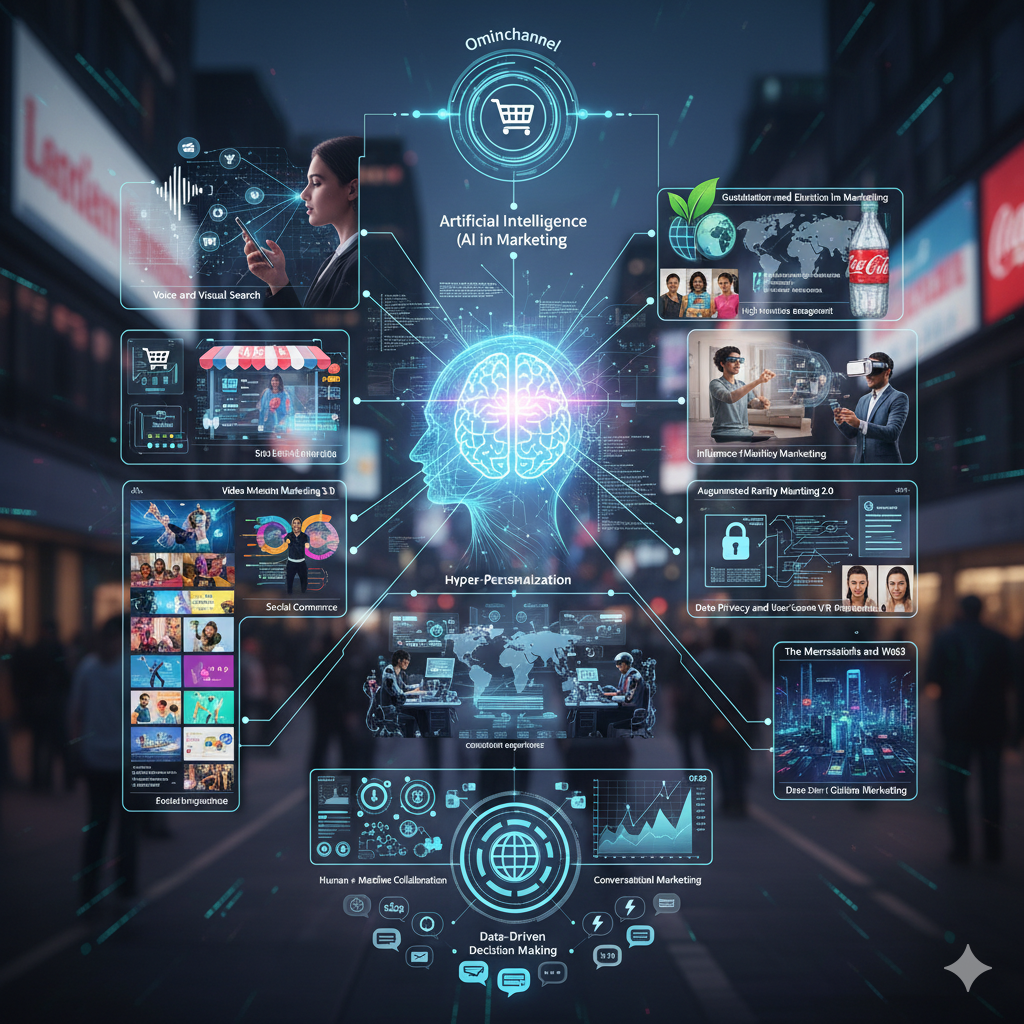
Table of Contents
Toggle1. Artificial Intelligence (AI) in Digital Marketing
Artificial Intelligence is no longer the future — it’s the present. In 2025, AI will play a central role in nearly every aspect of digital marketing. From automating routine tasks to delivering hyper-personalized campaigns, AI is transforming how brands connect with their audiences.
🔹 Key Areas Where AI Is Dominating:
- Content Creation: AI tools like ChatGPT, Jasper, and Copy.ai are generating blog posts, captions, and ad copy within seconds.
- Customer Insights: Predictive analytics helps marketers understand user behavior before it happens.
- Chatbots and Virtual Assistants: 24/7 automated customer support enhances satisfaction and saves manpower.
- Ad Optimization: AI-driven algorithms automatically adjust bids and targeting for better ROI.
 Why It Matters:
AI helps businesses make data-backed decisions, reduce human error, and deliver a seamless customer experience.
Pro Tip:
Combine AI automation with human creativity — let technology handle the data, but let people craft the story.
2. Hyper-Personalization with Data and Automation
In 2025, personalization goes beyond using a customer’s first name in an email. Thanks to big data and automation, marketers can now predict what customers want — even before they ask.
🔹 Examples of Hyper-Personalization:
- Dynamic Website Content: Websites that change based on visitor behavior.
- Personalized Emails: Automated emails triggered by real-time user actions.
- AI-Driven Recommendations: Similar to Netflix or Amazon suggesting what users will love next.
🔹 Benefits:
- Higher conversion rates
- Stronger customer loyalty
- Improved user experience
🔹 Real-World Example:
Spotify’s “Wrapped” campaign is an excellent example of data-driven personalization. It provides users with a summary of their year’s listening habits — making marketing feel personal and fun.
🔹 Pro Tip:
Use CRM systems and data tools to analyze behavior, segment audiences, and create targeted journeys.
3. The Rise of Voice and Visual Search
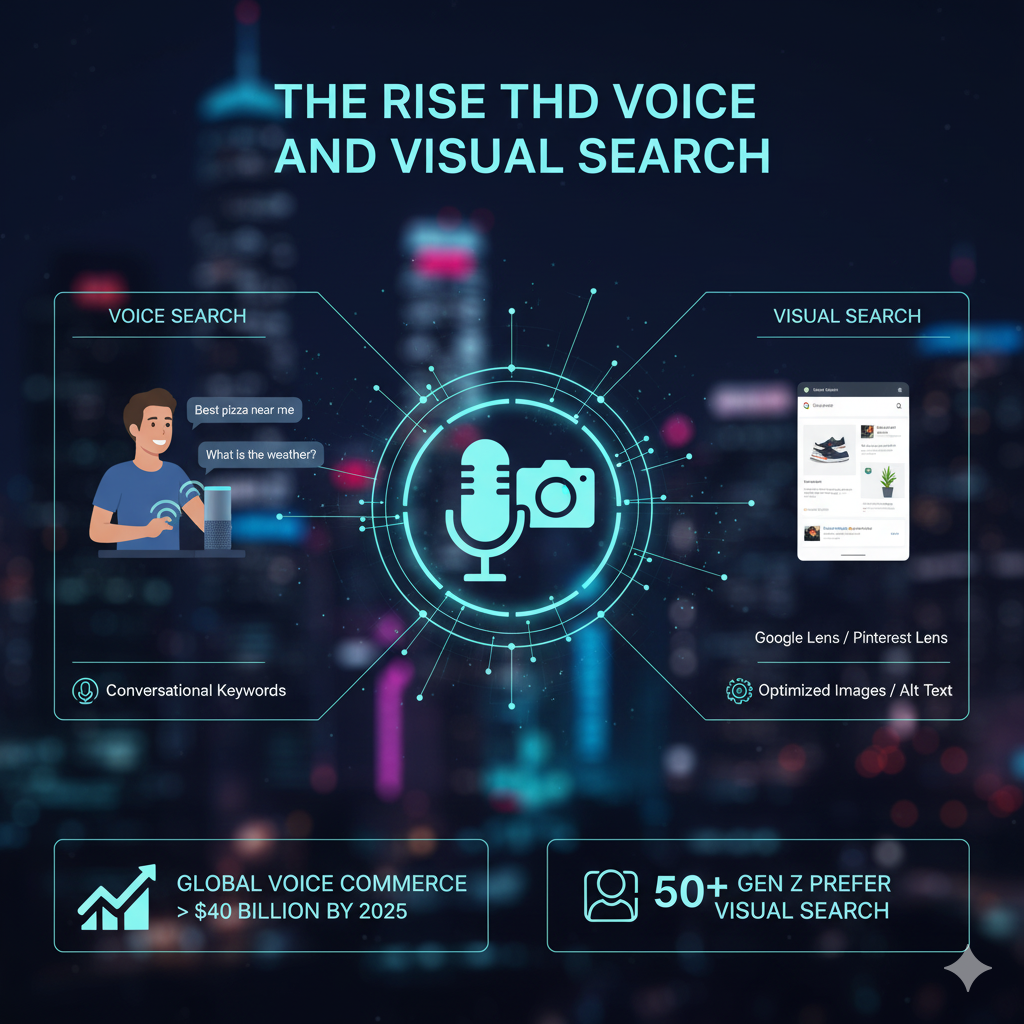
Voice and visual search are revolutionizing how people discover content online. With smart devices like Alexa, Google Home, and Siri, voice-based queries are growing rapidly. Similarly, visual search (like Google Lens and Pinterest Lens) allows users to search using images instead of words.
🔹 Why It’s Trending in 2025:
- The global voice commerce market is expected to cross $40 billion by 2025.
- More than 50% of Gen Z users prefer visual search over text.
🔹 Tips to Optimize for Voice & Visual Search:
- Use conversational keywords for voice search.
- Optimize images with alt text and structured data.
- Create content that answers question-based queries directly.
🔹 Example:
A restaurant optimized for “best pizza near me” with structured data will rank higher when someone uses voice search through Alexa or Google Assistant.
4. Video Marketing and Short-Form Content Domination
If content is king, video is the empire. In 2025, short-form video continues to dominate all digital platforms — especially TikTok, Instagram Reels, and YouTube Shorts. Brands are leveraging videos to tell stories, entertain audiences, and drive conversions faster than ever.
🔹 Why Video Rules:
- Users retain 95% of a message when they watch it in a video.
- Videos generate up to 1,200% more shares than text and images combined.
🔹 Trending Video Formats:
- Short-form reels (15–60 seconds)
- Behind-the-scenes clips
- Tutorials and how-to guides
- Product demos and unboxings
- Customer testimonials
🔹 Pro Tip:
Keep videos authentic, mobile-optimized, and value-driven. Focus on storytelling over selling.
5. Social Commerce and Shoppable Content
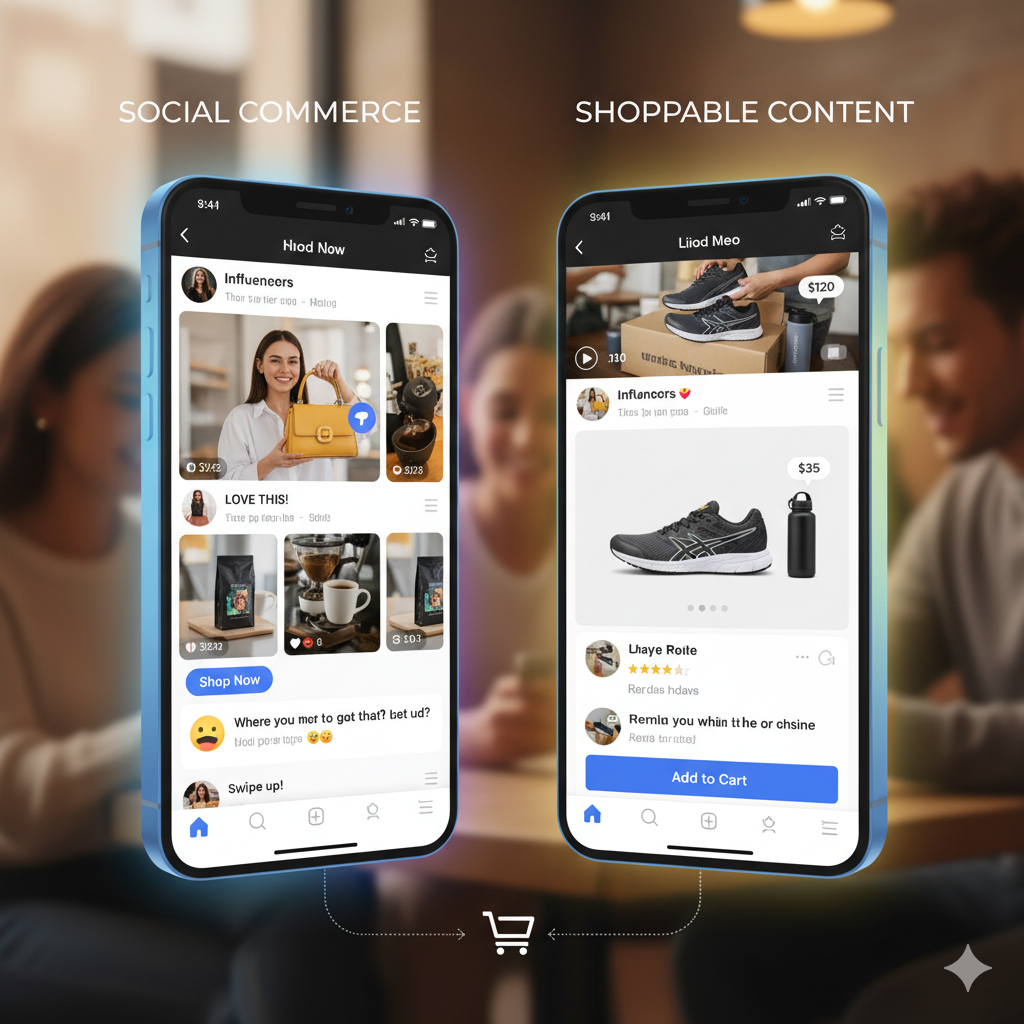
In 2025, social media is no longer just for engagement — it’s a complete shopping ecosystem. Platforms like Instagram, TikTok, and Pinterest now allow users to purchase products directly within the app.
🔹 Benefits of Social Commerce:
- Shortens the buyer journey
- Boosts impulse purchases
- Increases brand visibility
🔹 Emerging Features:
- Shoppable posts and reels
- Live shopping streams
- In-app checkout systems
🔹 Example:
TikTok’s integration with Shopify allows creators to tag products in videos, letting users buy instantly without leaving the platform.
🔹 Pro Tip:
Partner with micro-influencers to promote products via shoppable content. Their authenticity drives higher trust and conversions.
6. Influencer Marketing 2.0
Influencer marketing continues to evolve. In 2025, it’s no longer about celebrity endorsements — it’s about authenticity, niche audiences, and measurable impact.
🔹 Key Shifts:
- Micro and Nano Influencers: Small creators with high engagement are more effective than big names.
- Performance-Based Collaborations: Brands pay based on conversions, not just reach.
- Long-Term Partnerships: Continuous collaborations over one-time deals.
🔹 Why It Works:
Audiences trust influencers they relate to. Authentic content builds credibility and drives genuine interest.
🔹 Pro Tip:
Choose influencers whose values align with your brand and audience demographics. Always use analytics to measure ROI.
7. Sustainability and Ethical Marketing
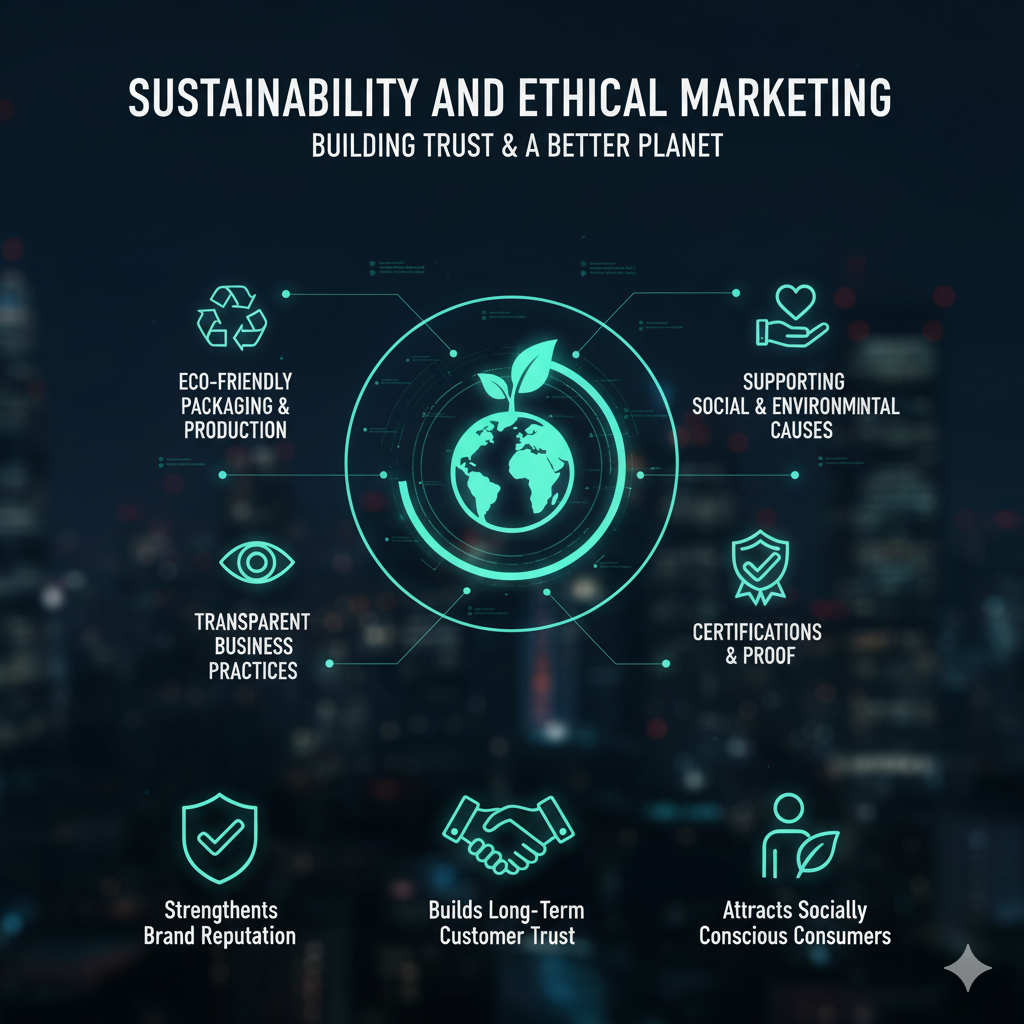
Consumers in 2025 are more conscious than ever. They care about how brands treat the planet, employees, and communities. Sustainable and ethical marketing has become a defining factor in purchase decisions.
🔹 What It Involves:
- Eco-friendly packaging and production
- Transparent business practices
- Supporting social and environmental causes
🔹 Benefits:
- Strengthens brand reputation
- Builds long-term customer trust
- Attracts socially conscious consumers
🔹 Example:
Brands like Patagonia and The Body Shop lead with sustainability-focused campaigns that emphasize authenticity and purpose.
🔹 Pro Tip:
Don’t just say you’re sustainable — prove it with facts, certifications, and transparent storytelling.
8. Augmented Reality (AR) and Virtual Reality (VR) Experiences
AR and VR are bridging the gap between the digital and physical worlds. In 2025, these immersive technologies are no longer gimmicks — they’re powerful marketing tools.
🔹 Real-World Uses:
- Virtual try-ons for fashion, eyewear, and cosmetics
- 3D product demos that engage customers
- Immersive brand experiences through VR showrooms or games
🔹 Why It’s Growing:
- Increases engagement and interaction
- Builds emotional connection with products
- Reduces uncertainty before purchase
🔹 Example:
IKEA’s AR app allows customers to see how furniture will look in their homes — turning imagination into reality.
🔹 Pro Tip:
Start with small AR experiences (like filters or virtual demos) to test engagement before investing in full-scale VR campaigns.
9. Data Privacy and User-Centric Marketing
As privacy laws tighten, businesses must respect user data more carefully than ever. In 2025, successful marketing depends on earning customer trust, not exploiting it.
🔹 Major Changes:
- The decline of third-party cookies
- Rise of first-party data collection
- Transparency through data consent systems
🔹 How Marketers Can Adapt:
- Collect data ethically through subscriptions and surveys
- Be transparent about data usage
- Provide users with control over their preferences
🔹 Benefits:
- Builds long-term trust
- Enhances compliance with global privacy laws (like GDPR and India’s DPDP Act)
- Improves audience targeting accuracy
🔹 Pro Tip:
Focus on building relationships — not databases. When users trust your brand, they’ll willingly share valuable data.
10. The Metaverse and Web3 Marketing
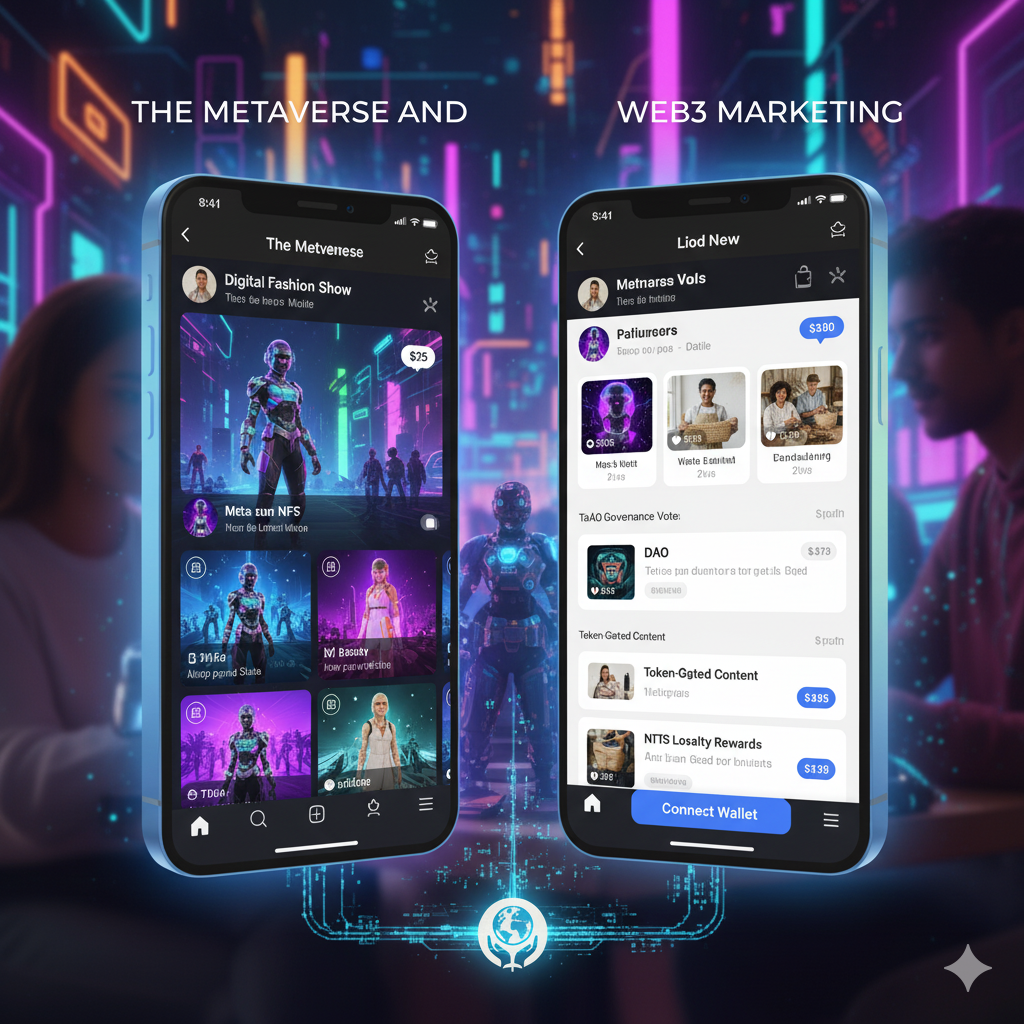
The Metaverse isn’t just hype — it’s a new frontier for digital interaction. In 2025, Web3 and Metaverse technologies are reshaping marketing through decentralization, digital ownership, and immersive experiences.
🔹 What It Means:
- Metaverse: A virtual world where users interact via avatars.
- Web3: A decentralized internet using blockchain for ownership and security.
🔹 Opportunities for Marketers:
- Virtual stores and events
- NFT-based loyalty programs
- Crypto-integrated payment systems
🔹 Example:
Nike’s “Nikeland” in Roblox lets users explore, play, and shop in a branded digital world — blending fun and commerce.
🔹 Pro Tip:
Start exploring metaverse platforms now. Even if your audience isn’t fully there yet, being an early adopter builds brand authority.
🧭 Final Thoughts: The Future Belongs to Adaptable Brands
The digital marketing landscape in 2025 is shaped by technology, personalization, and ethics. These trends aren’t just buzzwords — they’re building blocks for sustainable growth. The key to success lies in being adaptable, data-driven, and customer-focused.
🔹 Quick Recap:
- AI in Marketing
- Hyper-Personalization
- Voice & Visual Search
- Video and Short-Form Content
- Social Commerce
- Influencer Marketing 2.0
- Sustainability in Marketing
- AR & VR Experiences
- Data Privacy & User Control
- Metaverse & Web3 Marketing
🔹 Key Takeaways:
- Innovate or disappear: Technology is evolving fast — adapt continuously.
- Prioritize people over platforms: Build emotional connections, not just digital presence.
- Data is power: But trust is everything.
In conclusion, digital marketing in 2025 will belong to brands that combine creativity, ethics, and innovation. Whether you’re a small startup or a global enterprise, your ability to leverage these trends will define your success in the coming years.
🧠 11. The Power of Data-Driven Decision Making (Bonus Trend)
Although the top ten trends define the digital landscape, there’s one more crucial force driving success in 2025 — data-driven marketing.
In today’s world, data is the new currency. Every click, share, and purchase tells a story. The brands that listen to this story — and act upon it — are the ones leading the market.
🔹 Why Data Matters:
- Helps businesses understand customer preferences deeply.
- Enables predictive marketing for future campaigns.
- Improves targeting, timing, and message accuracy.
🔹 Tools That Make It Possible:
- Google Analytics 4 (GA4) for cross-platform tracking.
- CRM platforms like HubSpot and Salesforce for behavior mapping.
- AI-based analytics tools like Hootsuite Insights or Brandwatch for real-time monitoring.
🔹 Benefits of Data-Driven Marketing:
- Reduces wasted ad spend.
- Helps create tailored customer experiences.
- Strengthens marketing ROI with measurable insights.
🔹 Example:
Netflix uses advanced algorithms to recommend shows based on what users watch, skip, and rewatch. This personalization keeps users hooked — and it’s all driven by data.
📈 12. Human + Machine Collaboration: The New Marketing Team
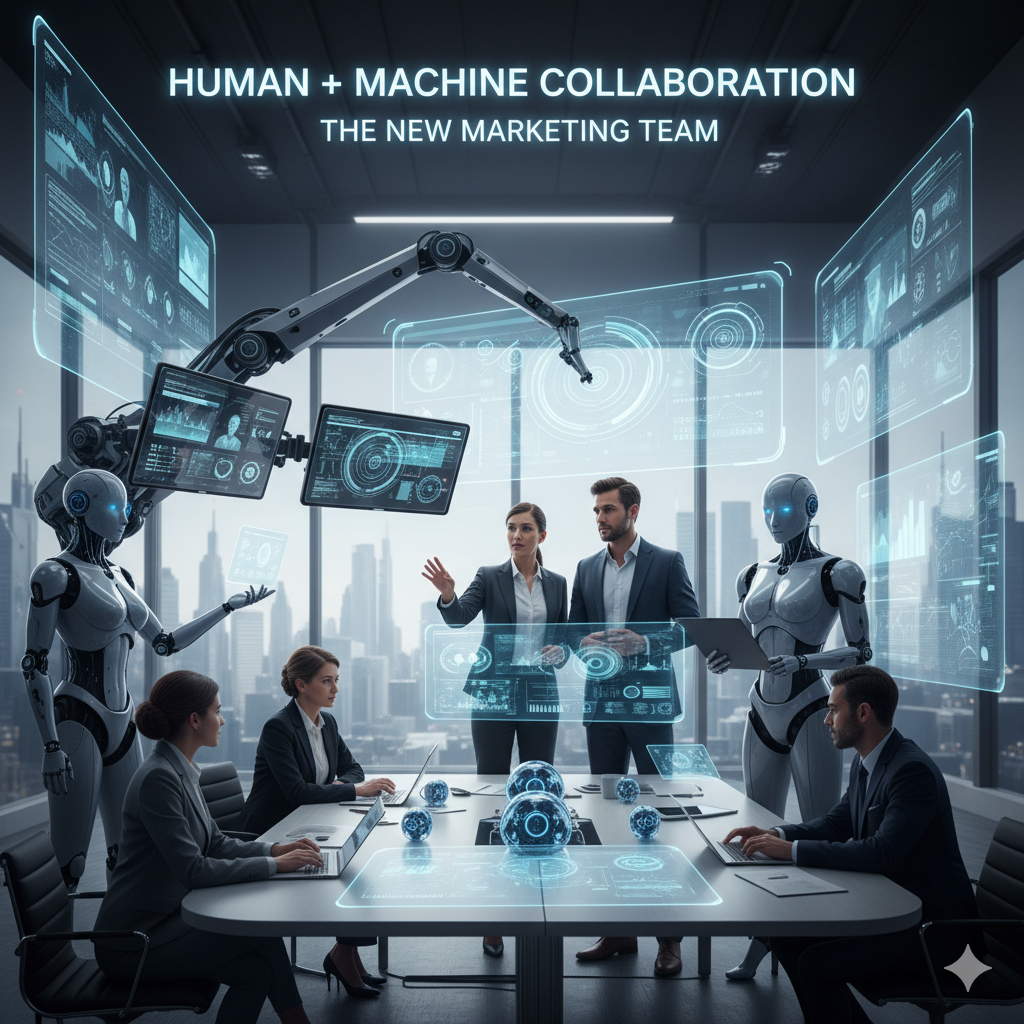
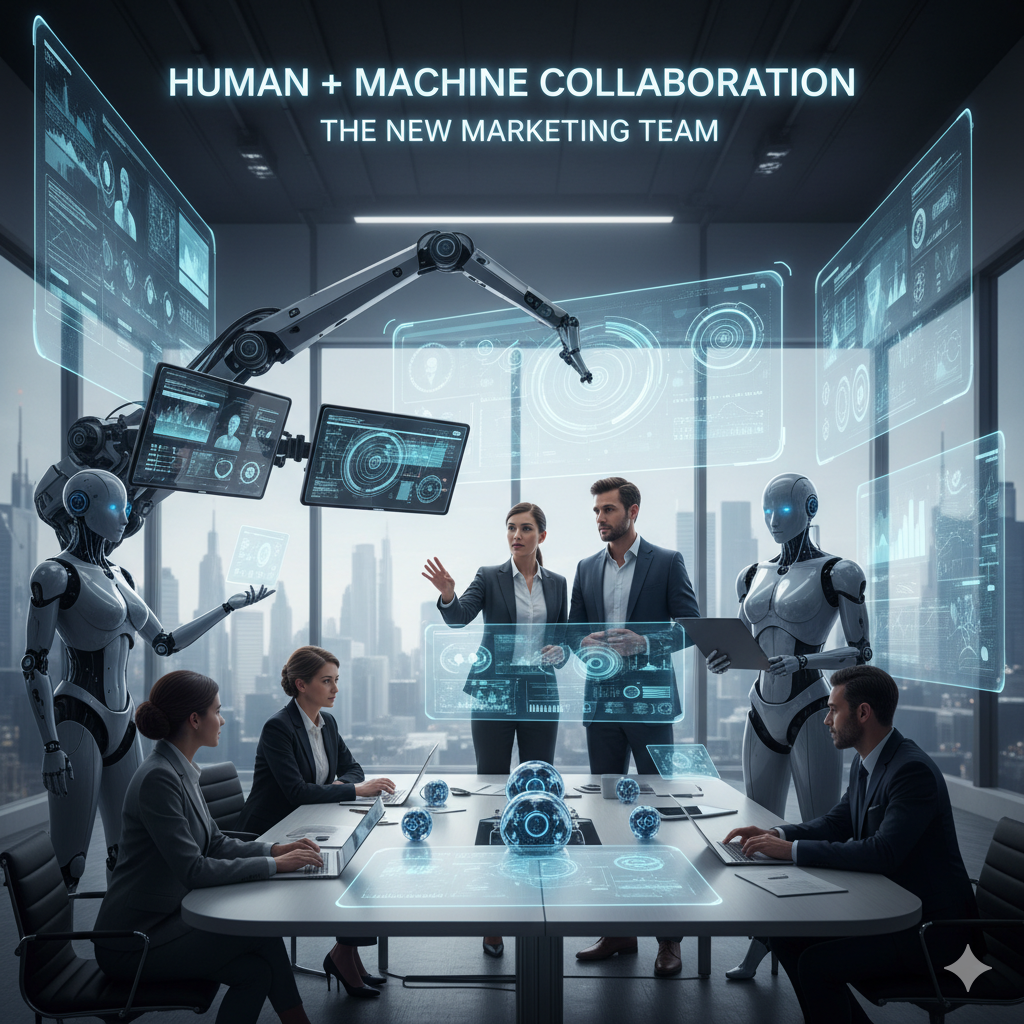
In 2025, successful digital marketing isn’t human or AI — it’s human + AI.
The smartest marketers understand that while machines can analyze millions of data points in seconds, only humans can interpret emotion, empathy, and storytelling.
🔹 How to Balance Human and Machine:
- Use AI for repetitive tasks (like email scheduling and analytics).
- Use human creativity for campaign ideation and brand voice.
- Continuously train teams to leverage AI tools responsibly.
🔹 Future Outlook:
By 2025, nearly 80% of marketing tasks will be partially automated. However, the human touch — emotional intelligence, design intuition, and cultural understanding — will remain irreplaceable.
🌍 13. Globalization and Localization in Marketing
As brands expand digitally, localization has become essential. In 2025, the best marketers understand that a “one-size-fits-all” strategy doesn’t work across cultures.
🔹 Localization Means:
- Translating not just language, but culture and emotion.
- Adapting visuals, symbols, and stories to fit local audiences.
- Understanding local holidays, trends, and purchase habits.
🔹 Example:
Coca-Cola’s “Share a Coke” campaign customized bottles with local names in every country — creating a global sensation through local personalization.
🔹 Pro Tip:
Use tools like Google Trends and Ahrefs to discover what people search for in different regions. Customize your keywords and visuals accordingly.
💬 14. Conversational Marketing and Real-Time Engagement
In 2025, people don’t want to fill forms — they want conversations. Conversational marketing through chatbots, voice assistants, and live chats is transforming customer interaction.
🔹 What It Includes:
- AI-powered chatbots that respond instantly.
- Live chat support integrated on websites and social platforms.
- WhatsApp Business and Messenger bots for direct communication.
🔹 Benefits:
- Increases conversion rates by reducing friction.
- Builds trust with instant responses.
- Personalizes customer journeys.
🔹 Example:
Brands like Sephora and Domino’s use chatbots to help customers make decisions quickly — from choosing a lipstick shade to ordering a pizza.
🔹 Pro Tip:
Keep conversations friendly, helpful, and human-like. Don’t automate empathy — blend it with technology.
🛠 15. The Importance of Omnichannel Marketing
In 2025, customers interact with brands across multiple platforms — websites, social media, emails, and even voice assistants. Omnichannel marketing ensures a consistent experience across all touchpoints.
🔹 Why It’s Important:
- Consumers switch between 3–5 devices daily.
- A unified message increases recall and trust.
- Omnichannel users have a 30% higher lifetime value.
🔹 Example:
Starbucks allows customers to order from the app, website, or in-store — and seamlessly pick up anywhere. That’s true omnichannel experience.
🔹 Pro Tip:
Integrate all your channels through CRM tools and automation software. The goal is to make your customer feel seen, not sold to.
💡 How to Adapt Your Strategy for 2025
Now that you know the trends shaping 2025, let’s talk about how to prepare and implement them effectively.
🔹 Step 1: Audit Your Current Digital Presence
- Analyze what’s working and what’s outdated.
- Review analytics, traffic sources, and engagement rates.
🔹 Step 2: Integrate AI Tools Smartly
- Use AI for analytics, ad optimization, and content ideas.
- Avoid over-automation that removes authenticity.
🔹 Step 3: Prioritize User Experience (UX)
- Make your website fast, mobile-friendly, and intuitive.
- Personalize navigation and content suggestions.
🔹 Step 4: Focus on Storytelling
- Create stories that connect emotionally with audiences.
- Build your brand voice consistently across all channels.
🔹 Step 5: Stay Ethical and Transparent
- Follow privacy laws and be honest about data use.
- Promote sustainability and inclusivity.
🔹 Step 6: Educate and Upskill Constantly
- Digital marketing changes monthly — keep learning.
- Follow industry leaders, attend webinars, and stay curious.
⚙️ SEO Optimization for 2025
To rank higher in search engines, your marketing strategy must evolve with Google’s AI-driven updates.
🔹 Top SEO Practices:
- Use natural language keywords (for voice search).
- Focus on E-E-A-T (Experience, Expertise, Authoritativeness, Trustworthiness).
- Write long-form, informative content — like this one!
- Improve Core Web Vitals for page performance.
- Optimize visual and video SEO with alt tags and transcripts.
🔹 Trending SEO Tools:
- SurferSEO for keyword optimization.
- Ahrefs and Semrush for backlink analysis.
- Google Search Console for indexing and insights.
🧭 Final Thoughts: The Future Is Now
The digital world is evolving at lightning speed — AI, automation, and personalization are redefining marketing as we know it. In 2025, the winning brands will be those that embrace innovation, stay authentic, and put customers first.
🔹 Remember:
- Adopt technology, but don’t lose the human touch.
- Personalize content, but respect privacy.
- Experiment often, and measure everything.
The future isn’t about marketing to everyone — it’s about connecting deeply with the right ones.
So, whether you’re a marketer, entrepreneur, or small business owner — this is your time to evolve, adapt, and lead in the digital revolution.
🏷️ Meta Description (for SEO)
Discover the Top 10 Digital Marketing Trends That Will Dominate 2025, including AI automation, hyper-personalization, voice search, video marketing, social commerce, and more. Stay ahead with strategies that define the future of digital success.
🏷️ Target Keywords:
- Digital marketing trends 2025
- Future of digital marketing
- AI in marketing 2025
- Social commerce trends
- SEO trends 2025
- Video marketing strategy
- Voice search optimization
- Influencer marketing 2025
- AR and VR in marketing
- Metaverse marketing
🧩 16. Implementing These Trends: A Step-by-Step Roadmap
It’s one thing to know the trends, but another to implement them effectively. Many businesses struggle because they chase too many trends at once without a clear strategy. Here’s how to practically apply the Top Digital Marketing Trends of 2025 step-by-step.
Step 1: Identify the Most Relevant Trends for Your Business
- Not every trend suits every business.
- A small local bakery, for example, will benefit more from social commerce and video marketing than from Metaverse campaigns.
- A tech company, on the other hand, should focus on AI integration, data analytics, and Web3 marketing.
🔹 Action Tip: Create a “Trend Relevance Map.”
List all 10 trends and rank them from 1–5 based on importance to your goals and audience.
Step 2: Build a Tech-Enabled Marketing Stack
To succeed in 2025, your tools must work together seamlessly.
Combine automation, analytics, and creative software to streamline your marketing.
🔹 Recommended Tools:
- AI & Automation: Zapier, HubSpot, ActiveCampaign
- Content Creation: Canva, ChatGPT, Jasper, Grammarly
- SEO & Analytics: Google Analytics 4, Semrush, SurferSEO
- Social Media Management: Buffer, Hootsuite, Later
🔹 Action Tip: Automate repetitive tasks like social posting, email triggers, and ad optimization — freeing time for creative work.
Step 3: Focus on Customer Experience (CX)
In 2025, customers expect personalization, speed, and convenience.
A seamless CX strategy includes:
- Intuitive website navigation
- 24/7 chatbot support
- Personalized content recommendations
- Consistent brand messaging
🔹 Example:
Amazon sets the global standard for customer experience by predicting what customers need and offering it before they even search.
Step 4: Invest in Team Upskilling
Technology evolves — and your team should too.
Train your marketing team to use AI tools, analyze data, and design omnichannel experiences.
🔹 Pro Tip: Encourage certification programs from Google Digital Garage, HubSpot Academy, or Meta Blueprint to stay updated.
Step 5: Measure, Analyze, and Optimize
Every marketing effort should be measurable.
Use KPIs (Key Performance Indicators) to track success and adjust accordingly.
🔹 Top Metrics to Monitor:
- Conversion Rate
- Customer Lifetime Value (CLV)
- Cost per Lead (CPL)
- Website Bounce Rate
- Engagement Rate
- ROI (Return on Investment)
🔹 Pro Tip: Use A/B testing to identify what content, visuals, and campaigns perform best.

🧠 17. Expert Insights: What Industry Leaders Are Saying
Let’s hear what leading voices in the digital marketing world predict for 2025:
🔹 Neil Patel (Marketing Expert)
“In 2025, the brands that thrive will be those that use AI responsibly. It’s not just about automation — it’s about empathy at scale.”
🔹 Ann Handley (Content Marketing Pioneer)
“Authenticity wins. The more human your content feels, the stronger your customer relationships will become.”
🔹 Gary Vaynerchuk (Entrepreneur & Digital Influencer)
“Short-form content and community-driven marketing are the future. People trust people, not faceless corporations.”
🔹 Rand Fishkin (SEO Expert)
“Search is moving beyond keywords. It’s about satisfying user intent. If you solve real problems, you’ll always rank high.”
These insights underline one core principle: technology amplifies creativity — it doesn’t replace it.
🏆 18. Real-World Case Studies: Brands Winning in 2025
Let’s explore how some top brands are already using these trends to dominate their markets.
Case Study 1: Nike — The Metaverse Pioneer
- Nike launched “Nikeland” in Roblox, allowing users to interact with their brand in a 3D virtual world.
- Over 20 million people visited within months.
- This innovative blend of gaming and branding made Nike a metaverse leader.
Key Lesson:
Immersive experiences build emotional connections — not just awareness.
Case Study 2: Starbucks — AI and Data-Driven Marketing
- Starbucks uses Deep Brew, its AI engine, to personalize offers and predict buying behavior.
- It tailors rewards and promotions for each customer based on purchase history.
Key Lesson:
Data personalization = loyalty. Starbucks shows how machine learning builds stronger customer retention.
Case Study 3: L’Oréal — Augmented Reality in Action
- The brand’s “Virtual Try-On” feature allows users to test makeup through AR filters before purchasing.
- Result: a 300% increase in online engagement.
Key Lesson:
Interactive experiences reduce hesitation and increase confidence in purchase decisions.
Case Study 4: Spotify — Personalized Storytelling
- Spotify Wrapped gives users a personalized year-end music summary.
- This campaign turns individual data into storytelling — making each listener feel special.
Key Lesson:
Turning customer data into emotional experiences drives massive brand loyalty.
💬 19. Overcoming Challenges in 2025 Digital Marketing
Even with all these opportunities, marketers in 2025 face real challenges. Here’s how to navigate them:
🔹 Challenge 1: AI Fatigue
Too much automation can make brands feel robotic.
Solution: Keep human editors and creative directors involved to preserve authenticity.
🔹 Challenge 2: Privacy Regulations
Stricter data laws require careful compliance.
Solution: Use first-party data, get user consent, and communicate transparently.
🔹 Challenge 3: Content Overload
Every brand is producing content — standing out is harder.
Solution: Focus on storytelling, quality, and niche relevance.
🔹 Challenge 4: Rising Ad Costs
Competition drives up PPC rates.
Solution: Use SEO and organic strategies alongside paid ads to balance costs.
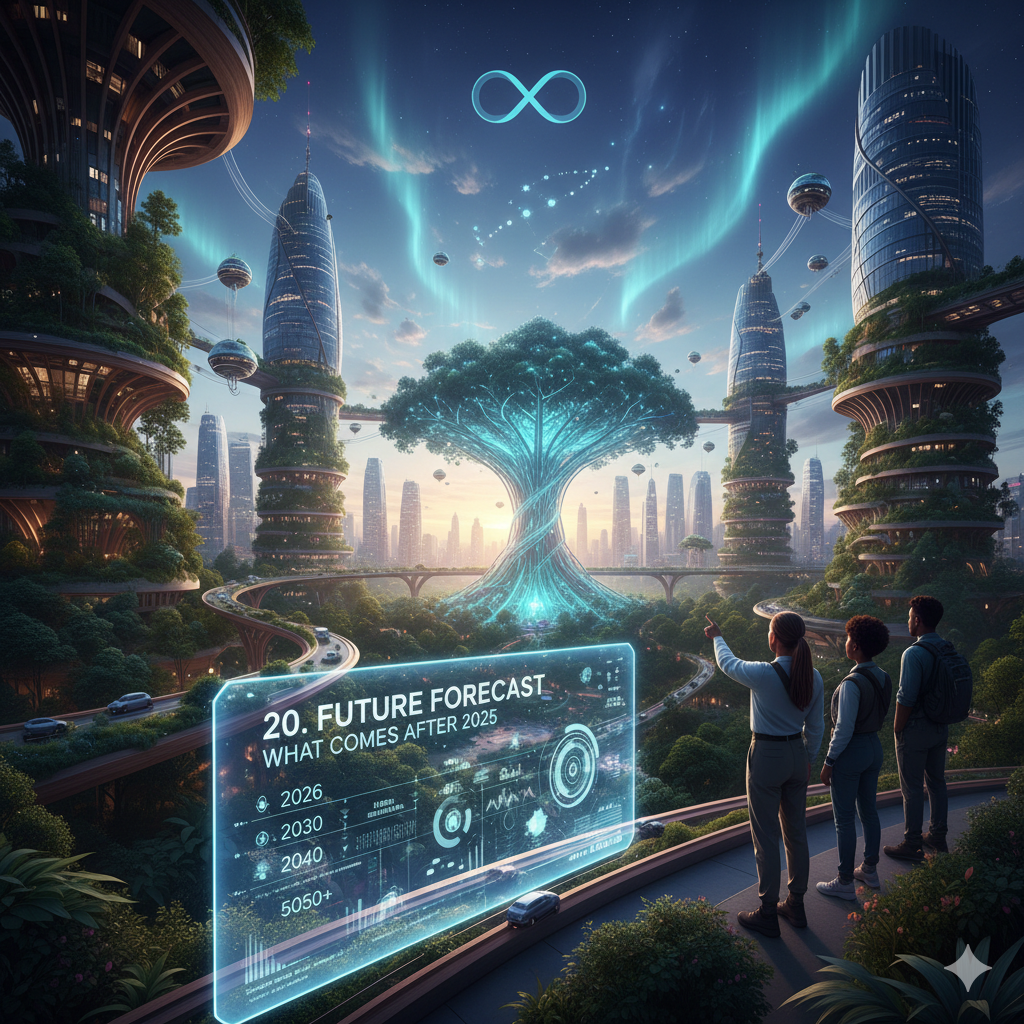
🌱 20. Future Forecast: What Comes After 2025
What will the digital landscape look like beyond 2025?
🔹 Predictions:
- AI Integration Will Deepen: Expect hyper-intelligent assistants that plan entire campaigns.
- Virtual Reality Commerce: Shopping in virtual stores will be mainstream.
- 5G and Edge Computing: Instant load times will redefine user expectations.
- Ethical AI Marketing: Regulations will ensure fair, transparent AI use.
- Emotion-Based Marketing: Biometric data may soon help personalize experiences even further.
🔹 The Big Picture:
By 2030, digital marketing will not just sell products — it will shape lifestyles, cultures, and communities.
✨ Final Summary: The Road Ahead
Let’s bring it all together.
The Top 10 Digital Marketing Trends That Will Dominate 2025 — from AI and hyper-personalization to metaverse marketing and sustainability — represent the future of how businesses connect with customers.
🔹 The Core Message:
Success in 2025 isn’t about chasing every new tool or buzzword.
It’s about mastering the right technologies, staying authentic, and putting people first.
🔹 Key Takeaways:
- Blend AI efficiency with human creativity.
- Focus on ethics, transparency, and sustainability.
- Build personalized experiences, not generic campaigns.
- Adapt fast — because the only constant in digital marketing is change.
Digital marketing in 2025 isn’t just about clicks, conversions, or impressions — it’s about connections, communities, and conversations.
Your audience doesn’t just want to buy — they want to belong.
🏁 Call to Action
Are you ready to take your marketing strategy into the future?
✅ Start small: Choose one trend from this list and implement it this month.
✅ Monitor results: Track analytics and feedback.
✅ Scale up: Integrate more trends as you grow.
Stay innovative, stay curious, and keep evolving — because the brands that adapt, survive; the ones that innovate, thrive.
🏷️ Final SEO Elements
Meta Title:
Top 10 Digital Marketing Trends That Will Dominate 2025 | Future of Digital Marketing
Meta Description:
Explore the top 10 digital marketing trends shaping 2025 — from AI and personalization to metaverse marketing and sustainability. Learn strategies, case studies, and expert insights to future-proof your brand.
Focus Keywords:
Digital marketing trends 2025, future of digital marketing, AI in marketing, social commerce, SEO trends, metaverse marketing, video content 2025, influencer marketing, AR marketing.
A really good blog and me back again.
Thanks